


Intermittent Explosive Disorder Treatment · Fort Lauderdale, Florida
Intermittent Explosive Disorder Treatment in Fort Lauderdale, FL
Still Mind is a residential intermittent explosive disorder treatment center in Fort Lauderdale, Florida, for adults 18+ whose outbursts of anger or aggression have outpaced outpatient care. Residential treatment interrupts the outburst cycle with the daily psychiatric structure that weekly anger management cannot provide. Our stabilization-first model pairs 7-day psychiatric coverage with a board-certified psychiatrist on-site every weekday and on-call on weekends.
LOCUS 5 highest-acuity care on admission
7-day psychiatric coverage
Formal CBT & DBT tracks
On-site brain mapping & TMS
If anyone is in immediate danger, call 911. For thoughts of self-harm, call the 988 Suicide & Crisis Lifeline at 988. If you are being hurt by someone else, the Domestic Violence Hotline is 1-800-799-7233.
Verify Your Insurance Benefits
Free & confidential. Takes about 60 seconds, no obligation.
Before anything else
Take One Breath With Us
If you have landed here, today is probably heavy. Before you read about programs and insurance, try one guided breath cycle, the same paced breathing our clinicians teach on day one. In for four. Hold for four. Out for six.
Ready
Tap begin when you are
Stabilization Comes First
How does Still Mind treat intermittent explosive disorder?
Still Mind treats intermittent explosive disorder with a stabilization-first residential model: 7-day psychiatric coverage, medication management targeting impulsive aggression, formal CBT and DBT tracks, and on-site brain mapping and TMS. Clients are admitted at LOCUS Level 5 acuity, with an average 42-day length of stay.
Stabilization-first impulse control
Sleep, medication consistency, and daily structure are rebuilt first. Impulse control needs that foundation before aggression-focused therapy does any lasting work.
7-day psychiatric coverage
A board-certified psychiatrist is on-site every weekday and on-call around the clock on weekends. SSRI and mood-stabilizer regimens are adjusted daily rather than every six weeks.
Formal CBT & DBT tracks
Manualized cognitive behavioral therapy targets the appraisal that turns a small provocation into a threat. Dialectical behavior therapy builds the distress tolerance that stops the outburst.
On-site brain mapping & TMS
Quantitative EEG brain mapping and transcranial magnetic stimulation are administered on-site, which is rare at the residential psychiatric level.
Physician-initiated safety monitoring
One-to-one monitoring covers clients whose outbursts have caused injury or property destruction. A doctor releases it, never convenience or staffing pressure.
Integrated dual-diagnosis care
Alcohol and stimulants lower the threshold at which provocation becomes an outburst. Substance use is treated in the same program, not referred out to a second one.
Primary Program
Residential Mental Health Treatment
24/7 stabilization-first psychiatric care for adults whose aggression has led to injury, arrest, or property damage. Includes 7-day psychiatric coverage, formal CBT and DBT, and on-site brain mapping and TMS.
See the residential program → When Substance Use Is Also PresentCo-Occurring Disorders / Dual Diagnosis
Substance use disorders are the conditions most frequently diagnosed alongside intermittent explosive disorder. This program treats both within one integrated plan instead of two separate ones.
See the dual-diagnosis program →Understanding the Condition
What is intermittent explosive disorder?
Intermittent explosive disorder is an impulse-control disorder defined by recurrent behavioral outbursts of verbal or physical aggression that are grossly out of proportion to the provocation. Outbursts are impulsive rather than planned, last under 30 minutes, and are followed by remorse.
DSM-5 classifies intermittent explosive disorder under disruptive, impulse-control, and conduct disorders, not under mood disorders. The distinction matters clinically: the aggression is a failure of impulse inhibition, and mood between outbursts returns to baseline. Onset is typically in late childhood or adolescence, and the disorder rarely begins after age 40.
7 signs of intermittent explosive disorder
Verbal tirades or shoutingPhysical aggression toward people or animalsDestruction of propertyRoad rageOutbursts out of proportion to the triggerRemorse or shame afterwardRising tension before the outburst
The outburst itself is brief. What surrounds it is not: rising tension beforehand, and remorse, shame, or legal and financial consequences afterward. Adults describe the cycle as watching themselves from outside, unable to interrupt it.
If anyone in your home has been injured or is afraid, that is a safety situation first. Call 911 in immediate danger, or the Domestic Violence Hotline at 1-800-799-7233. For thoughts of self-harm, call or text 988.
Two Minutes · Private · Nothing Is Stored
Is residential care the right level of care?
Residential care is the right level of care for intermittent explosive disorder when outbursts have caused injury, arrest, or property damage, and outpatient anger management has not held. This six-question self-check takes two minutes and stores nothing.
Level-of-Care Self-Check
This self-check is educational, not a diagnosis or medical advice. Only a licensed clinician can determine the right level of care. Your answers never leave this page.
Diagnostic Criteria
What are the DSM-5 criteria for intermittent explosive disorder?
DSM-5 defines two qualifying outburst patterns. Criterion A1 is verbal or non-destructive aggression occurring twice weekly for 3 months. Criterion A2 is three destructive or assaultive outbursts within 12 months. Either pattern meets the diagnosis when aggression is disproportionate and unplanned.
The remaining criteria filter out aggression that looks similar but is not intermittent explosive disorder. Outbursts must be impulsive rather than premeditated, and must not be committed to achieve a tangible objective such as money or intimidation. They must cause marked distress, functional impairment, or legal and financial consequences. Diagnosis requires a minimum age of 6 years, and Still Mind treats adults 18 and over.
Criterion A1Criterion A2ICD-10 F63.81Unplanned aggressionDisproportionate responseMarked impairmentOnset before age 40
Intermittent explosive disorder vs bipolar disorder and borderline personality disorder
Episode duration separates intermittent explosive disorder from bipolar disorder. Bipolar irritability runs for days or weeks inside a manic or depressive episode, while intermittent explosive disorder outbursts end within 30 minutes and mood returns to baseline. Trigger type separates it from borderline personality disorder, where anger attaches to abandonment and rejection rather than to any provocation at hand.
Misdiagnosis is common in both directions, and it changes the medication plan. That is why Still Mind runs a full psychiatric evaluation on admission rather than accepting a referring diagnosis at face value.
Admissions team standing by right now
Intermittent explosive disorder is treatable
Outbursts cost people jobs, marriages, and relationships with their own children. With the right stabilization-first care, the cycle breaks. Our admissions team is available now for a confidential conversation about whether Still Mind's residential program in Fort Lauderdale is the right next step for you or someone you love.
✓ Confidential & HIPAA-compliant
✓ Insurance verified at no cost
✓ Out-of-state admissions welcome
✓ Joint Commission accredited
Causes & Risk Factors
What causes intermittent explosive disorder?
Intermittent explosive disorder has three main contributors: serotonin regulation and prefrontal-amygdala function, exposure to aggression during the first two decades of life, and co-occurring substance use. Onset is typically in late childhood or adolescence, and rarely begins after age 40.
Biological & geneticSerotonin regulation and the balance between amygdala threat response and prefrontal impulse inhibition are both implicated in intermittent explosive disorder. First-degree relatives of people with the disorder carry elevated risk.
Developmental & environmentalExposure to physical or verbal aggression during the first two decades of life raises risk. Childhood trauma, chronic stress, and sleep loss each lower the threshold at which provocation becomes an outburst.
Co-occurring substance useAlcohol and stimulants suppress impulse inhibition directly, and outbursts cluster around intoxication. Treating both conditions together produces more durable results than treating either one alone.
Substance use disorders are the conditions most frequently diagnosed alongside intermittent explosive disorder. Read how the program approaches dual diagnosis treatment when aggression and substance use happen together.
Prognosis
Can intermittent explosive disorder be cured?
Intermittent explosive disorder is a treatable condition, not a curable one. Cognitive behavioral therapy, dialectical behavior therapy, and SSRI or mood-stabilizer medication reduce outburst frequency and intensity. Residential treatment rebuilds impulse control when outpatient anger management has already failed.
The goal of treatment is a longer gap between the trigger and the response. Therapy widens that gap with cognitive restructuring and distress-tolerance skills, and medication raises the threshold at which provocation registers as a threat. Residential care builds both under supervision, then hands them off through a step-down plan so the gains hold after discharge. Left untreated, the pattern persists for years and the consequences accumulate.
How do you deal with someone who has intermittent explosive disorder?
Safety comes before treatment. Leave the room during an outburst rather than reasoning with it, because the window for reasoning closes once escalation starts. Document what happened afterward, when remorse makes the conversation possible. Do not accept responsibility for triggering the outburst, and do not negotiate treatment during one. Call our admissions team yourself: residential mental health treatment in Fort Lauderdale accepts calls from family members, not only from the person who needs care.
LOCUS 5Highest voluntary acuity level on admission
7 daysWeekly psychiatric coverage
~42 daysAverage length of stay
30 bedsShared residential community
Broward County, Florida
How to find an intermittent explosive disorder treatment center near Fort Lauderdale, FL
Look for four things in a treatment center: a board-certified psychiatrist on staff, residential or inpatient licensing, medication management for impulsive aggression, and accreditation. Still Mind meets all four in Fort Lauderdale and verifies insurance before admission.
Still Mind sits at 208 SE 8th St, Fort Lauderdale, FL 33316, minutes from downtown and the airport. Admission is straightforward for Broward County and nearby communities including Hollywood, Pompano Beach, Plantation, and Davie.
Most clients travel from out of state. Distance does real clinical work here: the workplace, the household, and the relationships that supply most of the provocations stay behind while impulse control is rebuilt. The admissions team coordinates arrival, lodging, and transportation. Call to confirm whether Still Mind is the right fit for your situation.
Inside Still Mind
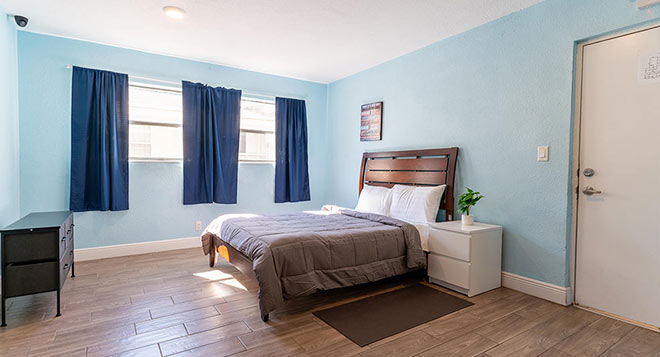
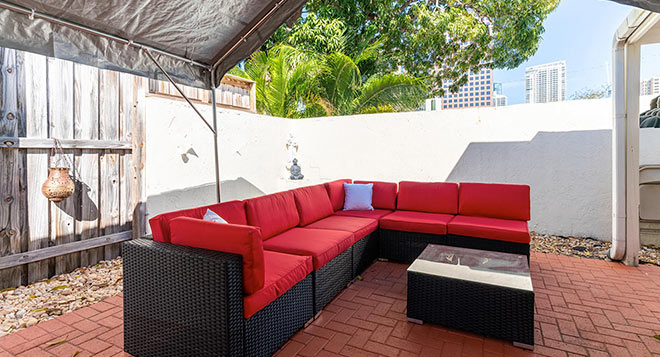
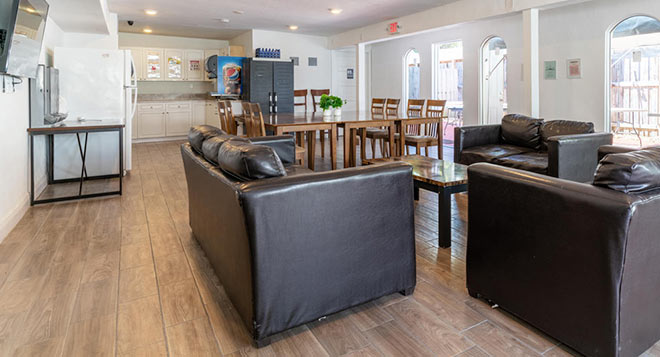
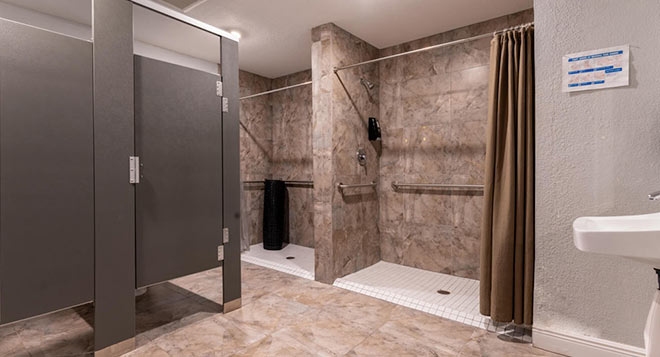
Tour our Fort Lauderdale facility
A 30-bed residential community with shared rooms, green space, and calm indoor areas built for stabilization.
Coverage Varies by Plan
Does insurance cover treatment for intermittent explosive disorder?
Many plans include residential mental health benefits that cover intermittent explosive disorder treatment. Still Mind verifies your specific coverage at no cost before admission, with no obligation, and holds an active Tricare contract.
Often Seen Alongside
What conditions occur with intermittent explosive disorder?
Intermittent explosive disorder rarely appears alone. It most often co-occurs with substance use disorders, depression, anxiety disorders, bipolar disorder, borderline personality disorder, and post-traumatic stress disorder. These are the conditions Still Mind most frequently treats alongside intermittent explosive disorder.
Anxiety DisorderChronic anxiety lowers the threshold at which provocation becomes an outburst
DepressionFollows outbursts as shame and remorse, and precedes them as irritability
Bipolar DisorderManic irritability mimics outbursts and is the most frequent misdiagnosis
Borderline Personality DisorderShares impulsive aggression, but anger attaches to abandonment fears
Post-Traumatic Stress DisorderHyperarousal produces reactive aggression that resembles an outburst
Narcissistic Personality DisorderRage responds to perceived slights rather than to immediate provocation
Common Questions
Intermittent explosive disorder treatment FAQ
What is intermittent explosive disorder?
Intermittent explosive disorder is an impulse-control disorder defined by recurrent behavioral outbursts of verbal or physical aggression that are grossly out of proportion to the provocation. Outbursts are impulsive rather than planned, last under 30 minutes, and are followed by remorse.
What are the 7 signs of intermittent explosive disorder?
The 7 signs of intermittent explosive disorder are verbal tirades, physical aggression toward people or animals, destruction of property, road rage, outbursts grossly out of proportion to the trigger, remorse or shame afterward, and rising tension before the outburst.
What is the difference between intermittent explosive disorder and bipolar disorder?
Intermittent explosive disorder produces aggression only in discrete outbursts lasting under 30 minutes, with mood returning to baseline between them. Bipolar disorder produces irritability that persists for days or weeks as part of a manic or depressive episode. Episode duration is the distinguishing feature.
How is intermittent explosive disorder treated at Still Mind?
Still Mind treats intermittent explosive disorder with a stabilization-first residential model: 7-day psychiatric coverage, medication management targeting impulsive aggression, formal CBT and DBT tracks, and on-site brain mapping and TMS. Clients are admitted at LOCUS Level 5 acuity, with an average 42-day length of stay.
Can intermittent explosive disorder be cured?
Intermittent explosive disorder is a treatable condition, not a curable one. Cognitive behavioral therapy, dialectical behavior therapy, and SSRI or mood-stabilizer medication reduce outburst frequency and intensity. Residential treatment rebuilds impulse control when outpatient anger management has already failed.
Is there intermittent explosive disorder treatment in Fort Lauderdale, FL?
Yes. Still Mind provides residential intermittent explosive disorder treatment in Fort Lauderdale, Florida, at 208 SE 8th St. The program serves adults 18+ from Broward County, across Florida, and out of state, with 7-day psychiatric coverage and insurance verified before admission.
Does insurance cover residential treatment for intermittent explosive disorder?
Many plans include residential mental health benefits. Still Mind's admissions team verifies your specific coverage at no cost before admission, with no obligation. Still Mind also holds an active Tricare contract. Call (561) 782-1672 or use the verification form on this page.