

Dual Diagnosis Treatment · Fort Lauderdale, Florida
Dual Diagnosis Treatment in Fort Lauderdale, FL
Still Mind is a Joint Commission accredited dual diagnosis treatment center for adults 18+ with co-occurring mental health and substance use disorders. One psychiatrist, one clinical team, and one integrated plan treat both conditions together, so the mental illness and the substance use are never handled as separate problems. Care is stabilization-first: sleep, medications, and structure come before trauma work.
Integrated single-team model
7-day psychiatric coverage
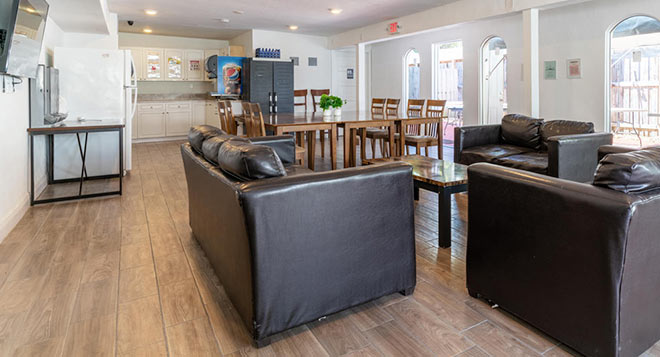
30-bed residential community
On-site brain mapping & TMS
If you or someone with you is in immediate danger, call 911 or the 988 Suicide & Crisis Lifeline at 988.
Verify Your Insurance Benefits
Free & confidential. Takes about 60 seconds, no obligation.
Before anything else
Take One Breath With Us
If you've landed here, today is probably heavy. Before you read about programs and insurance, try one guided breath cycle, the same paced breathing our clinicians teach on day one. In for four. Hold for four. Out for six.
Ready
Tap begin when you are
Two Conditions, One Plan
What Is Dual Diagnosis Treatment?
Dual diagnosis treatment is integrated care that treats a mental health disorder and a substance use disorder at the same time, under one clinical team and one plan. The alternative, treating each condition separately, tends to fail: the untreated disorder pulls the treated one back down. Still Mind addresses both together inside a single inpatient mental health treatment program.
Dual diagnosis and co-occurring disorders name the same clinical picture. A person carries a psychiatric condition such as bipolar disorder, schizophrenia, or PTSD alongside an alcohol or drug use disorder, and each condition drives the other. As a Joint Commission accredited facility, Still Mind is held to the same national safety and quality standards as leading hospitals.
Every admitted client is rated LOCUS Level 5, the highest voluntary level of psychiatric care. Within your first week, the team builds a measurable plan around normalized sleep, medication consistency, and a tracked mood baseline before any processing-oriented work begins.
Speak With Admissions →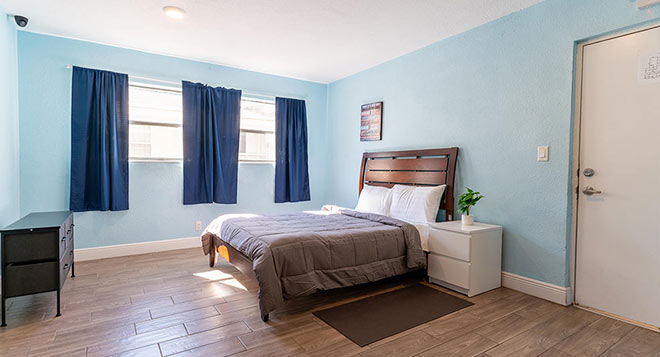
Two Minutes · Private · Nothing Is Stored
Is Dual Diagnosis Care the Right Level of Care?
Six honest questions, answered privately on this page. At the end, we'll tell you plainly whether a conversation with our admissions team makes sense for you or someone you love.
Level-of-Care Self-Check
This self-check is educational, not a diagnosis or medical advice. Only a licensed clinician can determine the right level of care. Your answers never leave this page.
A Different Level of Psychiatric Care
Why Choose Still Mind for Dual Diagnosis
As a Joint Commission accredited psychiatric provider, Still Mind treats co-occurring mental health and substance use conditions in one integrated program, where stabilization is the strategy, not an afterthought.
Fully Integrated Care
Psychiatric and substance-use conditions are treated together by one team in one plan, not passed between separate programs. Substance-induced psychosis is treated within the psychotic-disorder framework.
7-Day Psychiatric Coverage
A board-certified psychiatrist is on-site weekdays and on-call weekends, available 7 days a week. Daily medication management keeps the psychiatric and substance-use picture moving toward stability together.
Stabilization-First Model
Plans are built in week one around measurable goals: normalized sleep, full medication adherence, and a tracked mood baseline. Trauma processing begins only after both conditions are stabilized.
Brain Mapping & TMS On-Site
Quantitative EEG brain mapping and TMS, administered by a licensed technician, are rare at the residential psychiatric level. Neuromodulation complements medication and psychotherapy for trauma, anxiety, and depression.
Evidence-Based CBT & DBT
Manualized cognitive-behavioral and dialectical-behavior protocols are matched to your diagnosis, alongside psychodynamic, trauma-informed, art, and experiential therapies delivered in six hours of daily group work.
Detox-to-Residential Pathway
Clients who need medically supervised withdrawal detox at our sister facility, Still Detox, then transfer to Still Mind for integrated dual diagnosis stabilization. Admissions coordinates the handoff.
Co-Occurring Conditions
Which Dual Diagnoses We Treat
Still Mind treats adults whose substance use co-occurs with a psychiatric condition severe enough to require 24/7 oversight, including complex presentations other facilities decline.
Mood + Substance Use ~40% of admissions
Bipolar and depressive disorders paired with alcohol or drug use. Substance use often masks or worsens mood episodes, so both are stabilized together through medication management and daily structure.
Bipolar I & IIMajor Depressive DisorderPersistent Depressive DisorderAlcohol & Drug Use
Psychotic + Substance Use ~30% of admissions
Schizophrenia and schizoaffective disorder with co-occurring use. Substance-induced psychosis is treated within the psychotic-disorder framework, with 7-day psychiatric monitoring and complex medication management.
SchizophreniaSchizoaffective DisorderSubstance-Induced PsychosisBrief Psychotic Disorder
Anxiety, Trauma + Substance Use ~30% of admissions
PTSD, CPTSD, and anxiety disorders where substances have become a way to self-manage symptoms. Trauma-informed stabilization prepares you for safe trauma processing after discharge.
PTSD & CPTSDGeneralized AnxietyPanic DisorderOCD
Complex & Co-Occurring Presentations Personality & neurodevelopmental
Borderline personality disorder is treated with behavioral modification; autism spectrum and ADHD are treated with behavioral programming and milieu education. Each of these can co-occur with substance use and is addressed within the same integrated plan. We do not treat eating disorders.
Borderline Personality DisorderAutism Spectrum DisorderADHD
Intermittent Explosive DisorderDepersonalization/Derealization
Self-Harm & Suicidality
How Integration Works
How Are Both Conditions Treated Together?
Integration means the psychiatric condition and the substance use disorder share one team, one plan, and one psychiatrist, rather than being handed between programs that don't talk to each other. Structure is therapeutic, and every day follows a clinical rhythm built specifically for you.
Week One · Your Integrated Plan
Clinical and medical assessments begin day one. Within week one, the team sets measurable goals: sleep normalization, medication consistency, and a tracked mood baseline. No processing work starts until stabilization goals are clear.
Medication · One Psychiatrist in Charge
The internal psychiatrist takes primary responsibility during your stay. Existing medication-assisted treatment is continued; new MAT is not initiated. External and internal psychiatric plans are never run at the same time.
Every Day · Six Hours of Group Therapy
Psychoeducation, CBT-based, DBT skills, psychodynamic, trauma-informed, and art therapy groups address the mental health and substance-use picture together, not in separate tracks.
Every Two Weeks · Progress Reassessment
Your LOCUS rating is formally reassessed every two weeks, giving you and your family an objective measure of stabilization across both conditions.
When You're Ready · Step-Down Planning
Once the psychiatrist and team confirm stabilization, the business development team identifies the right nationwide step-down program and arranges transportation, including EMDR-capable outpatient care.

Step by Step
How Admission to Dual Diagnosis Treatment Works
Knowing what to expect removes barriers. Here's exactly how it works.
Confidential Call
You or a family member calls admissions. We listen, answer questions, and verify your insurance benefits at no cost.
Clinical Pre-Assessment
A phone-based assessment of your mental health and substance-use history confirms dual diagnosis care is the right level before you commit to anything.
Detox First, If Needed
If you need medically supervised withdrawal, we coordinate detox at our sister facility, Still Detox, then transfer you to Still Mind for integrated care.
Arrival & Orientation
You're welcomed to Fort Lauderdale, oriented to the facility, and personal phones are securely stored to create a distraction-free environment for stabilization.
Integrated Treatment Plan
Clinical and medical assessments begin immediately. Your integrated plan, addressing both conditions, is in place within the first week.
Stabilize & Step Down
After an average of 42 days, we coordinate your step-down placement nationwide, including transportation to your next program.
The Program at a Glance
~42Average days in treatment
6 hrsGroup therapy every day
7 daysWeekly psychiatric coverage
18+Adults · nationwide admissions
Technology-Based Therapies
On-Site Brain Mapping & TMS
Few residential psychiatric facilities offer technology-based therapies on campus. At Still Mind, a dedicated buildout houses quantitative EEG brain mapping and TMS technology, administered by a licensed technician as part of your integrated plan.
Using visual and auditory stimulation in a controlled environment, these sessions guide you into a meditative state designed to help reconcile severe trauma, distressing memories, anxiety, and depression, without the destabilizing intensity of premature talk-based trauma processing.
Why we hold EMDR for outpatient care
EMDR requires a stabilized client to be safe and effective. Because dual diagnosis clients often arrive acutely dysregulated, we intentionally defer EMDR until after discharge and help you plan for it as part of your step-down.
Coverage & Cost
Insurance & Payment for Dual Diagnosis Treatment
Still Mind works with most major insurance providers. Our admissions team verifies your specific mental health and substance-use benefits at no cost and with no obligation, so you know exactly what to expect before committing.
We hold an active Tricare contract for mental health services (ages 18–20) and a formal mental health services contract with the Seminole Tribe of Florida.
- Free benefit verification: confirmed before admission, no cost
- Tricare accepted: mental health services, ages 18–20
- Seminole Tribe of Florida: contracted mental health provider
- Major carriers accepted: Aetna, Cigna, BCBS, UnitedHealthcare, and more
- Travel-friendly admissions: nationwide clients welcome
Don't see your situation? Call us. Our admissions specialists will tell you honestly what's covered.
Care Others Turn Away
Specialized Dual Diagnosis Care Few Facilities Offer
One-on-One Safety Monitoring
Physician-initiated 1:1 monitoring for suicidality or self-harm, with daily psychiatrist visits, released only by a doctor, never by convenience.
MAT Continuity
Medication-assisted treatment started by a prior provider is continued under our psychiatrist. New MAT is not initiated, and external and internal plans are never run at the same time.
Veterans & LGBTQ+ Welcome
A respectful, accommodating environment for veterans and LGBTQ+ individuals, alongside contracted mental health services for the Seminole Tribe of Florida.
Common Questions
Dual Diagnosis Treatment FAQ
What is dual diagnosis treatment?
Dual diagnosis treatment is integrated care that treats a mental health disorder and a substance use disorder at the same time, with one clinical team and one plan. At Still Mind, both conditions are addressed together in a single inpatient residential program rather than in separate, sequential episodes of care.
What is the difference between dual diagnosis and co-occurring disorders?
They describe the same clinical situation. Both mean a person has a mental health condition and a substance use disorder at once. Clinicians tend to use "co-occurring disorders"; the public more often searches "dual diagnosis." Still Mind treats both terms as one integrated presentation.
How does Still Mind treat co-occurring substance use?
Still Mind stabilizes the psychiatric and substance-use picture together under one psychiatrist. The team continues medication-assisted treatment started by a prior provider but does not initiate new MAT. Substance-induced psychosis is treated within the psychotic-disorder framework, and trauma work is deferred until the client is medically and psychiatrically stable.
Do you provide medical detox for dual diagnosis clients?
Still Mind is a psychiatric residential program, not a detox facility. Clients who need medically supervised withdrawal detox first at our sister facility, Still Detox, then transfer to Still Mind for integrated dual diagnosis stabilization. Our admissions team coordinates the transition.
How long is dual diagnosis inpatient treatment?
The average length of stay is about 42 days, though your timeline is set by clinical progress, not a fixed calendar. Your LOCUS rating is reassessed every two weeks, and discharge planning begins when the psychiatrist and clinical team confirm stabilization.
Does insurance cover dual diagnosis treatment?
Many plans include residential dual diagnosis benefits. Our admissions team verifies your coverage at no cost before admission. We also hold an active Tricare contract (ages 18–20) and a contract with the Seminole Tribe of Florida. Call (561) 782-1672 or use the verification form above.
Which conditions are treated in the dual diagnosis program?
Still Mind treats co-occurring substance use alongside mood disorders (bipolar I, major depression), psychotic disorders (schizophrenia, schizoaffective, substance-induced psychosis), anxiety and trauma disorders (PTSD, CPTSD, OCD, panic), borderline personality disorder, and neurodevelopmental conditions like autism and ADHD. We do not treat eating disorders.
I live out of state. Can I still come to Still Mind?
Yes. Most of our clients travel from out of state. Our admissions team helps coordinate your arrival in Fort Lauderdale, and when you're ready to step down, we identify programs anywhere in the country and arrange your transportation there.
Treat Both. Heal Fully.
When a mental illness and a substance use disorder feed each other, treating one alone rarely holds. Our admissions team is available now for a confidential conversation about whether Still Mind's integrated dual diagnosis program is the right next step for you or someone you love.
✓ Confidential & HIPAA-compliant
✓ Insurance verified at no cost
✓ Out-of-state admissions welcome
✓ Joint Commission accredited
Find Us
Still Mind · Fort Lauderdale, FL
Address208 SE 8th St, Fort Lauderdale, FL 33316
Phone(561) 782-1672 · Available 24/7
Admissions Hours24 hours a day · 7 days a week
Service AreaNationwide admissions. Most clients travel from out of state · Fort Lauderdale & surrounding South Florida communities