
Drug-Induced Psychosis Treatment · Fort Lauderdale, Florida
Drug-Induced Psychosis Treatment in Fort Lauderdale, FL
Still Mind is a residential treatment center in Fort Lauderdale, Florida for adults 18+ with drug-induced psychosis, clinically termed substance-induced psychotic disorder. Psychosis triggered by a substance requires psychiatric and substance use treatment in the same plan. Our integrated dual diagnosis model pairs 7-day psychiatric coverage with a board-certified psychiatrist on-site every weekday and on-call on weekends.
LOCUS 5 highest-acuity care on admission
7-day psychiatric coverage
Integrated dual diagnosis care
On-site brain mapping & TMS
Active psychosis is a medical emergency. If someone is hallucinating, delusional, or unsafe right now, call 911 or the 988 Suicide & Crisis Lifeline at 988.
Verify Your Insurance Benefits
Free & confidential. Takes about 60 seconds, no obligation.
Before anything else
Take One Breath With Us
If you have landed here, today is probably frightening. Before you read about programs and insurance, try one guided breath cycle, the same paced breathing our clinicians teach on day one. In for four. Hold for four. Out for six.
Ready
Tap begin when you are
Both Conditions, One Plan
How does Still Mind treat drug-induced psychosis?
Still Mind treats drug-induced psychosis with integrated dual diagnosis care: 7-day psychiatric coverage, antipsychotic medication management, formal CBT and DBT tracks, and on-site brain mapping and TMS. Psychotic presentations account for roughly 30% of residential admissions.
Integrated dual diagnosis care
The psychosis and the substance use are treated in one program by one team. Treating either condition alone produces relapse into the other.
7-day psychiatric coverage
A board-certified psychiatrist is on-site every weekday and on-call around the clock on weekends. Psychotic symptoms are reassessed daily, not weekly.
Antipsychotic medication management
Antipsychotics are the first-line medication class for psychotic symptoms. Dosing is optimized daily and reduced as symptoms resolve, under physician supervision.
Formal CBT & DBT tracks
Manualized cognitive-behavioral and dialectical behavior therapy run alongside six hours of daily group therapy and weekly individual and family sessions.
On-site brain mapping & TMS
Quantitative EEG brain mapping and transcranial magnetic stimulation are administered on-site, which is rare at the residential psychiatric level.
Safety monitoring for high-risk presentations
Physician-initiated one-to-one monitoring covers command hallucinations, suicidal thoughts, and agitation, released only by a doctor, never by convenience.
Primary Program
Integrated Dual Diagnosis Treatment
Drug-induced psychosis is a dual diagnosis by definition: a psychiatric condition caused by a substance. This program treats the psychosis and the substance use disorder within one plan instead of two separate ones.
See the dual-diagnosis program → Level of CareResidential Mental Health Program
24/7 psychiatric care for adults whose psychotic symptoms have continued after the substance cleared. Includes 7-day psychiatric coverage and physician-initiated safety monitoring.
See the residential program →Understanding the Condition
What is drug-induced psychosis?
Drug-induced psychosis, clinically termed substance-induced psychotic disorder, is a psychotic episode caused by substance intoxication or withdrawal. Hallucinations and delusions are the defining symptoms. The psychosis is secondary to the substance, not to an independent psychiatric illness.
The DSM-5-TR classifies substance-induced psychotic disorder as a secondary psychotic disorder, meaning the substance is the cause rather than a coincidence. Psychosis appears during intoxication, during withdrawal, or after prolonged heavy use. Psychotic presentations account for roughly 30% of Still Mind's residential admissions.
Core psychotic symptoms:
HallucinationsDelusionsParanoiaDisorganized thinkingDisorganized speech
Frequently present alongside:
AgitationHostility or aggressionConfusionInsomniaSuicidal thoughts
Active drug-induced psychosis is a medical emergency. A person who is hallucinating, delusional, or disoriented cannot assess their own safety. Call 911. Emergency medical care comes first, and residential psychiatric treatment follows medical stabilization.
For thoughts of suicide, call or text 988. For substance use treatment referrals, the SAMHSA National Helpline is free and available 24/7 at 1-800-662-4357.
Two Minutes · Private · Nothing Is Stored
Is residential care the right level of care?
Residential care fits drug-induced psychosis when psychotic symptoms persist after the substance clears, when outpatient care has not held, or when safety is at risk. Six questions below indicate whether a call with admissions makes sense.
Level-of-Care Self-Check
This self-check is educational, not a diagnosis or medical advice. Only a licensed clinician can determine the right level of care. Your answers never leave this page.
Secondary vs Primary Psychosis
What is the difference between drug-induced psychosis and schizophrenia?
Drug-induced psychosis is triggered by a substance and resolves once the substance clears and treatment begins. Schizophrenia is a primary psychotic disorder that persists independently of substance use and requires at least 6 months of symptoms for diagnosis.
The two look nearly identical in the emergency room. Stimulant psychosis in particular produces persecutory delusions and auditory hallucinations that clinicians describe as indistinguishable from paranoid schizophrenia at first presentation. The distinction is made by history and by time, not by a single test.
Three factors separate them. Cause: a substance precedes and explains the episode in drug-induced psychosis. Course: symptoms track abstinence rather than continuing on their own. Duration: schizophrenia requires 6 months of symptoms, including 1 month of active-phase symptoms, which a substance-triggered episode does not reach when abstinence holds.
Getting the distinction right changes the treatment plan. A person misdiagnosed with schizophrenia may be committed to long-term antipsychotic care they do not need. A person whose substance-induced episode is dismissed as a bad reaction may receive no psychiatric treatment at all. Both errors are common, and both are corrected by psychiatric assessment across days rather than minutes.
When psychosis is short-lived and no substance is involved, the diagnosis is usually brief psychotic disorder. When it persists independently, Still Mind treats it through the schizophrenia treatment program.
Admissions team standing by right now
Drug-induced psychosis is treatable
Watching someone lose contact with reality is terrifying, and it is also the point at which treatment works best. Our admissions team is available now for a confidential conversation about whether Still Mind's residential program in Fort Lauderdale is the right next step for you or someone you love.
✓ Confidential & HIPAA-compliant
✓ Insurance verified at no cost
✓ Out-of-state admissions welcome
✓ Joint Commission accredited
Causes & Substance Breakdown
What drugs cause drug-induced psychosis?
Methamphetamine and other stimulants cause drug-induced psychosis most often, followed by cannabis, cocaine, hallucinogens, alcohol, and sedative withdrawal. Intoxication, withdrawal, and prolonged heavy use each trigger episodes. Presentation differs by substance.
Methamphetamine & stimulantsStimulants cause psychosis more often than any other substance class. Presentation is persecutory delusions, auditory and visual hallucinations, and agitation. NIDA documents psychotic symptoms recurring months or years after use stops, precipitated by stress and heavy drinking.
CannabisHigh-potency cannabis triggers psychosis in people with no prior psychiatric history. Presentation is paranoia, derealization, and disorganized thinking. Cannabis-induced psychosis carries a documented association with later primary psychotic disorders.
CocaineCocaine-induced psychosis appears during binges and the crash that follows. Presentation is paranoia, hypervigilance, and tactile hallucinations. Symptoms track the binge cycle rather than persisting between episodes.
HallucinogensLSD, psilocybin, and dissociatives produce perceptual disturbance during intoxication itself. The clinical concern is psychosis that continues after the drug has cleared, which is a psychiatric episode rather than an extended high.
AlcoholAlcohol produces psychosis through prolonged heavy use and through withdrawal. Alcohol withdrawal with psychotic features carries seizure and delirium risk, and it requires hospital-level medical care rather than outpatient management.
Sedative withdrawalWithdrawal from benzodiazepines and other sedatives produces hallucinations, disorientation, and seizure risk. This class requires physician-supervised medical withdrawal, never self-management.
Two conditions decide the outcome more than the substance does: whether the substance use stops, and whether both conditions get treated. Still Mind addresses both through integrated dual diagnosis treatment, where one team manages the psychosis and the substance use disorder inside a single plan.
Prognosis
Does drug-induced psychosis turn into schizophrenia?
Drug-induced psychosis does not become schizophrenia in most cases. Symptoms that persist beyond one month of abstinence move the diagnosis toward a primary psychotic disorder. Stimulant-induced psychosis carries the highest documented risk of persistent symptoms.
This is the question most people arrive with, and the honest answer has two parts. Substance-induced psychotic episodes are expected to clear with sustained abstinence and psychiatric treatment. When they do not clear, the DSM-5-TR framework treats continued psychosis as evidence of a primary psychotic disorder that the substance unmasked rather than created.
Persistence is the signal that matters, and it is a diagnostic boundary rather than a countdown. Symptoms still present after a month of abstinence warrant reassessment by a psychiatrist, because the treatment plan for a primary psychotic disorder differs from the plan for a substance-induced episode. Repeated episodes raise that risk further, which is why the substance use disorder is treated as urgently as the psychosis.
A single answer covers both paths: the fastest way to protect against a permanent diagnosis is sustained abstinence with psychiatric supervision, which is what a residential mental health program is built to deliver.
LOCUS 5Highest voluntary acuity level on admission
7 daysWeekly psychiatric coverage
~42 daysAverage length of stay
30 bedsShared residential community
Broward County, Florida
How to find a drug-induced psychosis treatment center near Fort Lauderdale, FL
Look for four things: a board-certified psychiatrist on staff, residential licensing, integrated dual diagnosis treatment, and accreditation. Treating psychosis without treating the substance use produces relapse. Still Mind meets all four and verifies insurance before admission.
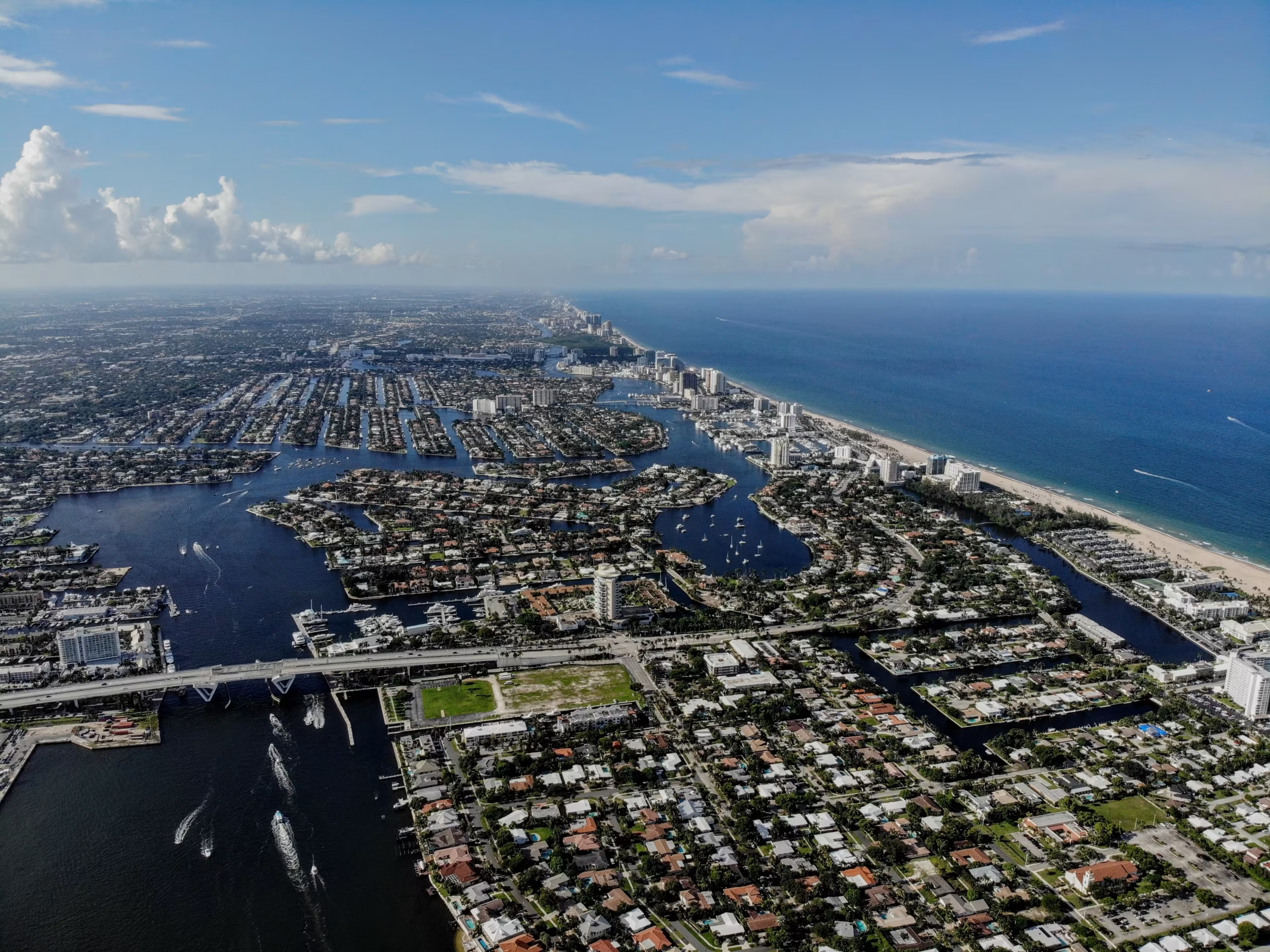
Still Mind sits at 208 SE 8th St, Fort Lauderdale, FL 33316, minutes from downtown and the airport. Admission is straightforward for Broward County and nearby communities including Hollywood, Pompano Beach, Plantation, and Davie.
The question to ask any center you call is whether the psychiatric team and the substance use team are the same team. Programs that treat the psychosis and refer the substance use elsewhere leave the trigger in place. Still Mind is licensed by AHCA, accredited by the Joint Commission, and overseen by the Florida Department of Children and Families.
Most clients travel from out of state. Choosing a center away from home removes the supply, the routines, and the people that keep the substance use going, and the admissions team coordinates arrival, lodging, and transportation.
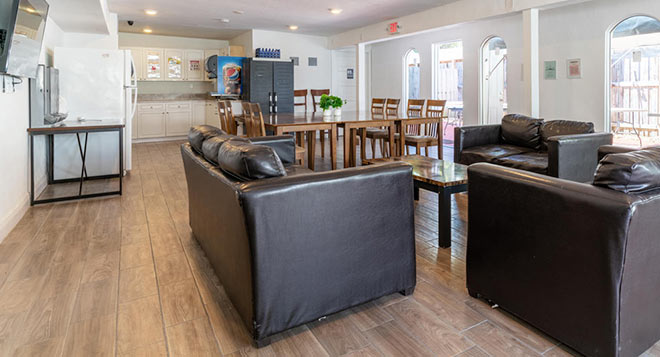
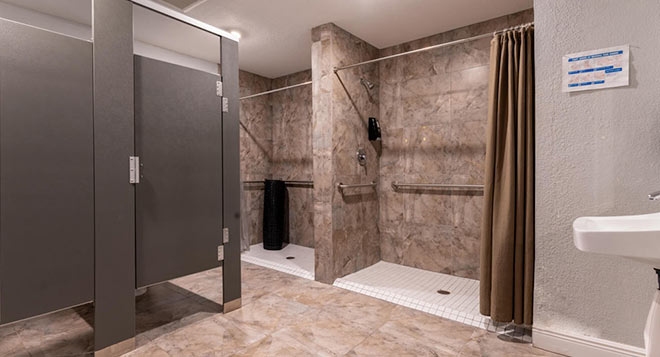
Inside Still Mind
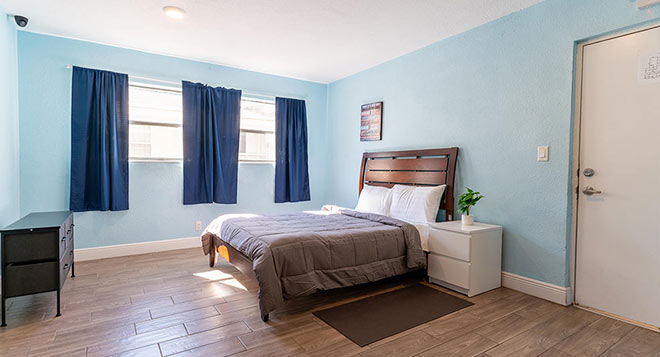
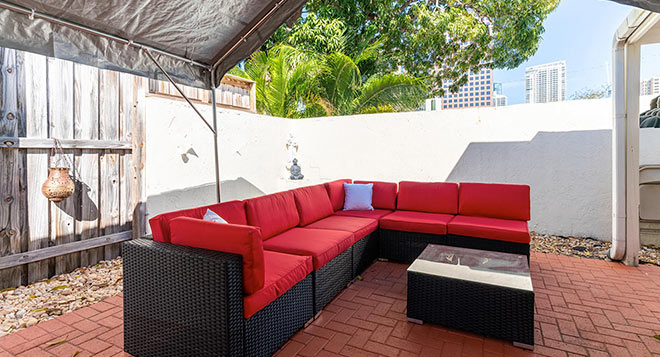
Tour our Fort Lauderdale facility
A 30-bed residential community with shared rooms, green space, catered meals, and calm indoor areas built for psychiatric stabilization.
Coverage Varies by Plan
Does insurance cover treatment for drug-induced psychosis?
Many plans include residential mental health and substance use benefits, and drug-induced psychosis qualifies under both. Still Mind verifies your specific coverage at no cost before admission. Still Mind also holds an active Tricare contract.
Because this condition sits across two benefit categories, coverage is often broader than families expect. Rather than guess, our admissions team runs a free, no-obligation benefits check and tells you exactly what your plan covers.
Often Seen Alongside
What conditions occur with drug-induced psychosis?
Drug-induced psychosis co-occurs with substance use disorder by definition. It also appears alongside depression, bipolar disorder, PTSD, brief psychotic disorder, schizoaffective disorder, and schizophrenia. Still Mind treats these conditions within one integrated plan.
DepressionThe crash after stimulant use produces depressive episodes and suicidal thoughts
Bipolar DisorderMania with psychotic features is routinely mistaken for substance-induced psychosis
Post-Traumatic Stress DisorderTrauma-related hypervigilance amplifies paranoia during a psychotic episode
Psychotic BreakThe diagnosis when a short psychotic episode occurs without any substance involved
Schizoaffective DisorderCombines mood episodes with psychosis that continues after substances clear
SchizophreniaThe primary psychotic disorder considered when symptoms persist past abstinence
Common Questions
Drug-induced psychosis treatment FAQ
What is drug-induced psychosis?
Drug-induced psychosis, clinically termed substance-induced psychotic disorder, is a psychotic episode caused by substance intoxication or withdrawal. Hallucinations and delusions are the defining symptoms. The psychosis is secondary to the substance, not to an independent psychiatric illness.
What is the difference between drug-induced psychosis and schizophrenia?
Drug-induced psychosis is triggered by a substance and resolves once the substance clears and treatment begins. Schizophrenia is a primary psychotic disorder that persists independently of substance use and requires at least 6 months of symptoms for diagnosis.
What drugs cause drug-induced psychosis?
Methamphetamine and other stimulants cause drug-induced psychosis most often, followed by cannabis, cocaine, hallucinogens, alcohol, and sedative withdrawal. Intoxication, withdrawal, and prolonged heavy use each trigger episodes. Presentation differs by substance.
How is drug-induced psychosis treated at Still Mind?
Still Mind treats drug-induced psychosis with integrated dual diagnosis care: 7-day psychiatric coverage, antipsychotic medication management, formal CBT and DBT tracks, and on-site brain mapping and TMS. Psychotic presentations account for roughly 30% of residential admissions.
Does drug-induced psychosis turn into schizophrenia?
Drug-induced psychosis does not become schizophrenia in most cases. Symptoms that persist beyond one month of abstinence move the diagnosis toward a primary psychotic disorder. Stimulant-induced psychosis carries the highest documented risk of persistent symptoms.
Is there drug-induced psychosis treatment in Fort Lauderdale, FL?
Yes. Still Mind provides residential drug-induced psychosis treatment in Fort Lauderdale, Florida, at 208 SE 8th St. The program serves adults 18+ from Broward County, across Florida, and out of state, with 7-day psychiatric coverage and integrated dual diagnosis care.
Does insurance cover residential treatment for drug-induced psychosis?
Many plans include residential mental health and substance use benefits. Still Mind's admissions team verifies your specific coverage at no cost before admission, with no obligation. Still Mind also holds an active Tricare contract. Call (561) 782-1672 or use the verification form above.